Advertisements for beauty

Advertisements For Beauty: The Complete Guide

Advertisements for beauty are the paid creative that skincare, cosmetics, and personal care brands run to sell a product, and the ones that work argue a specific claim rather than showing a beautiful result. This guide covers why most beauty ads underperform, a repeatable process for building ones that convert, and the mistakes that waste the most budget.

Key takeaways

  • Beauty is visually saturated, so aesthetics are table stakes. The differentiator is the claim: which ingredient, result, objection, or timeline the ad chooses to argue.
  • The material for that claim is already in your reviews and comments, in the exact words buyers use about results, texture, scent, and what they were afraid of.
  • Test one angle per format rather than five crops of the same argument, and record which angle won so the language carries into the next round.

Why Most Advertisements For Beauty Underperform

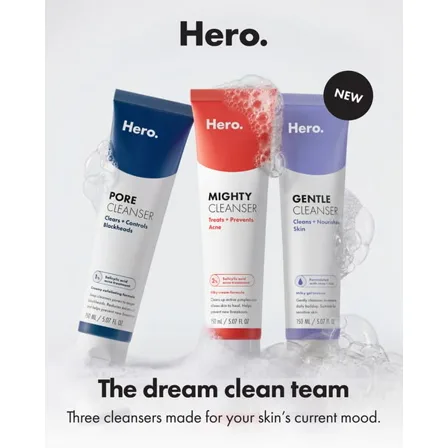
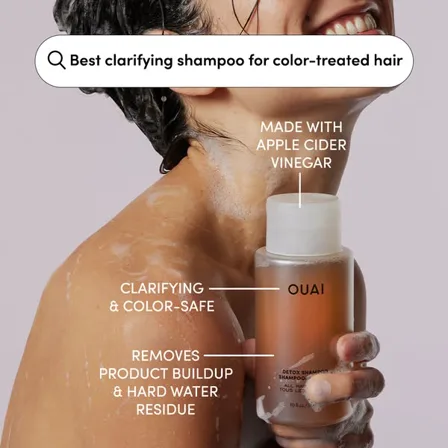
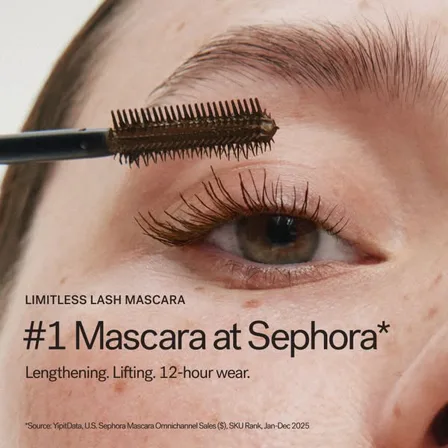
Beauty ads rarely fail on production quality. They fail because a beautiful product shot and a phrase like "glow up" describe every brand in the category at once, so the ad competes on media efficiency instead of persuasion. That is an expensive way to compete: Facebook cost per lead rose almost 21% year over year in 2025, per WordStream's benchmarks, and the creative is the lever you actually control. Nielsen's 2017 creative-effectiveness research credits creative, not targeting or media spend, with up to 89% of a digital ad's in-market success.

The two beauty campaigns most often cited as category-defining both won on message, not polish. Dove launched its Campaign for Real Beauty in 2004 on a single finding from its own research: only 2% of women considered themselves beautiful, the statistic Dove still leads with in its 2024 release marking twenty years of the campaign. Two decades of creative came out of that one sentence. Fenty Beauty launched in September 2017 with 40 foundation shades, at a time when most competitors shipped fewer than 20, and the shade range was the argument, not a feature listed in the caption. Neither campaign is copyable. What is copyable is the method: both started from a specific, verifiable truth about customers and let the creative follow.

For most brands the equivalent truth is already sitting in the review feed, unread. Teams activate just 33% of their martech stack's capabilities, down from 42% in 2022, per Gartner. The gap is not creative talent. It is that nobody knows which ingredient, benefit, objection, or before-and-after moment customers respond to before the brief gets written, so the brief gets written on instinct.

How To Build Advertisements For Beauty Products That Convert

  1. 1

    Mine your reviews, comments, and UGC for actual wording

    Start with the text you already own: product reviews, ad comments, support tickets, and creator captions. Read for the concrete nouns rather than the sentiment. In beauty that means results ("cleared up in about ten days"), texture ("does not pill under sunscreen"), scent, and the specific skin concern the buyer came in with. A five-star review that says "finally something that does not sting" is worth more than a hundred generic ones, because it names the objection.

  2. 2

    Find the three to five angles that keep repeating

    Group the language into themes and count them. Beauty categories usually collapse into a handful: works on sensitive skin, visible results inside two weeks, layers well with the rest of a routine, no fragrance, worth the price against a cheaper alternative. Frequency matters more than eloquence here. An angle that appears in a quarter of your reviews is a market signal, not a nice quote.

  3. 3

    Turn each angle into a hook, not a headline

    A hook is the first line or the opening visual moment that earns the next second of attention. "Gentle on sensitive skin" is a claim. "I stopped flinching when I put moisturiser on" is a hook, and it came from a customer. Write the hook in the register your buyers use, keep it to one idea, and resist smoothing it into brand voice until the argument survives.

  4. 4

    Pair every hook with a specific proof point in the brief

    Beauty is a claims-heavy category, so the hook needs evidence sitting next to it: a named ingredient and its concentration, a review quote, a timeframe, or an honest before-and-after detail. Write the brief so the designer knows the hook, the objection it answers, the proof to show, and the concern the audience arrived with. That is four lines, and it is the difference between direction and a mood board.

  5. 5

    Test angles across formats, not visuals of one angle

    Most beauty test matrices explore thumbnails and crops while arguing the same thing five times, which produces a clean read on nothing. Run one angle per format instead: the sensitive-skin argument as a creator-style video, the two-week-results argument as a static with a timeline, the layering argument as a carousel. Then you learn which claim works, which is reusable, rather than which crop won.

  6. 6

    Feed the result back so winning language compounds

    Record which angle drove the lift, not just which asset. Angles that win tend to keep winning across formats and seasons, and the phrasing can be reused on the product page and in email. A testing programme that never writes down why something worked rediscovers the same insight every quarter and calls it a new idea.

Common Mistakes Brands Make With Beauty Advertising

  • Aesthetic-only creative with no message differentiation

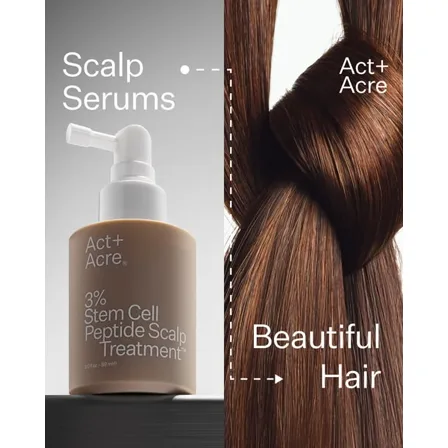
    Beauty is the most visually saturated category in ecommerce, so a beautiful ad is table stakes rather than an advantage. If your ad and a competitor's are interchangeable with the logo removed, you are competing on media buying, not creative.

  • Ignoring the objections sitting in your own reviews

    Price, irritation, scent, and packaging come up constantly in beauty reviews and almost never in beauty ads. An ad that answers the objection before it is raised removes the reason to scroll past. Leaving it unaddressed means the buyer resolves it alone, usually by not buying.

  • Influencer scripts that never mention what customers value

    Handing a creator a product and a vague brand brief produces content about the creator. Give them the two objections your reviews raise most and the proof point that answers each, and the same creator produces something that converts.

  • Treating every SKU and concern identically

    Acne, anti-ageing, and sensitivity are different buyers with different fears, different timelines, and different definitions of proof. One hook stretched across all three underperforms in all three. Tailor the angle to the concern the audience actually arrived with.

  • Testing without capturing which angle won

    Reporting by asset tells you an ad worked. Reporting by angle tells you which argument worked, which is the only finding you can carry into the next round. Without that, every quarter starts from zero.

What Converts, Concern By Concern

1

Acne and breakout-prone skin

The dominant objection is making things worse before making them better. Winning angles name a realistic timeline and address the purge honestly. Vague promises of clear skin read as risk to a buyer who has already tried six products.

2

Anti-ageing and firmness

Buyers here are sceptical of before-and-afters and fluent in ingredient names. Specificity is the whole game: the actives, the concentration, and what a realistic result looks like at eight weeks rather than a retouched jawline.

3

Sensitivity and reactivity

The purchase decision is fear-led, not aspiration-led. What converts is the absence of things: no fragrance, no essential oils, no sting. Reviews from other sensitive-skin buyers are the strongest proof available to you.

4

Texture, layering, and routine fit

A large share of beauty reviews are about how a product behaves alongside everything else: pilling under sunscreen, sitting under makeup, absorbing before bed. Almost no ads address it, which makes it one of the cheapest angles still available.

Bring your own beauty reviews and ad comments and watch the angles, hooks, and briefs come out of them in the session.

Book a demo

Craft, Compliance, and What Is Changing In Beauty Creative

Beauty is a claims-heavy category, which makes the approval step part of the creative work rather than an obstacle after it. Anything you assert about a result needs support you could produce if asked, and the FTC's advertising guidance for businesses is the baseline in the US for substantiation and for disclosing creator relationships. Building briefs around real customer language helps here for an unglamorous reason: a claim traceable to reviews and a named ingredient is easier to defend than a claim invented in a brainstorm, and it moves faster through legal review.

Three shifts are worth planning for. Short-form vertical video is now the default format, which pushes the hook into the first second and makes the opening line the highest-leverage word choice in the whole ad. Clean beauty and sustainability claims are increasingly specific, and vague ones now attract scrutiny rather than trust. And AI-generated creative has made producing variants nearly free, which does not help unless the argument improves, since more executions of a losing claim is just faster losing.

Sarah Levinger, Founder of Tether Insights, describes the habit that separates the brands doing this well: “I wish more brands would use the data they have and start analyzing for emotional insights instead of just transactions.” Mirella Crespi, CEO of Creative Milkshake, names the step teams skip between research and production: “There is a method to the madness of actually looking through creatives, taking those learnings from your competitor's research, and then turning it into something that you can actually execute. This is what we call the creative analysis stage of research.”

Turn Customer Feedback Into Beauty Ads That Perform, Faster

Everything above works. The reason it often does not happen is that reading several hundred reviews, tagging the recurring language, separating the objections from the compliments, and turning the result into a brief is a multi-day job nobody on a lean beauty team has spare. So the brief gets delayed, or it gets written on instinct, and the testing round produces creative that was never grounded in anything.

That reading step is what Selzee automates. It analyses your reviews, comments, and campaign performance to surface the hooks, angles, and briefs directly, pulling the specific language customers use about results, ingredients, textures, and objections, and returning creative-ready direction in minutes rather than days. It stops at the brief on purpose: your team or your agency still makes the asset, and Selzee reads what the finished ad did in-market so the next round starts from the claim that won. If you want the mechanics of the loop after launch, ad testing tools covers it, the UGC script guide covers briefing creators from the same customer language, and AI creative covers the wider category.

Built for Teams Drowning in Reviews and Starved For Time

Beauty and personal care brands accumulate more customer language per order than almost any other ecommerce category, and use less of it. Selzee is built for the marketers, creative strategists, and founders in that position: the insight exists, the hours to extract it do not. The change teams report is less about volume and more about confidence, because each brief arrives with the objection it answers and the customer sentence it came from.

  • Angles ranked by how often customers raise them, not by how they sound in a brainstorm.

  • Briefs that pair a hook with a real proof point instead of a beauty trope.

  • Testing rounds that read which argument won, so winning language compounds.

Advertisements For Beauty: FAQ

01 What makes a beauty ad convert? +

A specific claim that answers a real objection, in the language buyers already use, with proof sitting next to it. In beauty that proof is usually a named ingredient, a realistic timeframe, or a review quote from someone with the same skin concern. Aesthetics get you considered; the claim is what gets you bought.

02 How do I find angles for beauty ads without running new research? +

Read what you already own. Product reviews, ad comments, support tickets, and creator captions contain the results, textures, scents, and fears your buyers care about, in their own words. Group the language into themes, count how often each appears, and the three to five angles worth testing surface on their own.

03 How many angles should we test at once? +

Three to five distinct arguments, one per format, rather than one argument in five crops. Testing genuinely different claims gives you a reusable finding about messaging. Testing thumbnails of the same claim tells you which image won and nothing you can carry forward.

04 Should beauty ads address negative reviews? +

Yes, and directly. Price, irritation, scent, and packaging are the objections that appear constantly in beauty reviews and almost never in beauty ads. Answering one before the buyer raises it removes the reason to scroll past, and it is usually the cheapest conversion gain available to a brand that has already tested the obvious angles.

05 What do we need to be careful about with beauty ad claims? +

Anything you assert about a result needs support you could produce on request, and creator relationships need disclosing. The FTC publishes advertising guidance for businesses covering both. Claims traceable to reviews and named ingredients tend to clear legal review faster than claims invented in a brainstorm, which is a practical argument for the evidence-first approach as much as an ethical one.

06 Does AI-generated creative help beauty brands? +

It helps with production, not with persuasion. Generating variants is close to free now, which only pays off if the underlying argument is better. More executions of a claim customers do not care about is faster losing. The useful application of AI here is reading customer feedback at volume to find the claim worth producing.

Bring Your Beauty Ad Ideas to Life

Book a demo and bring your own reviews, comments, or campaign data. In 30 minutes you will see the angles your customers are already writing for you, the objections your current ads are not answering, and the briefs your team could be testing next week.

Keep exploring: ad testing tools, the UGC script guide, AI creative, creative strategy examples, customer awareness, the Selzee blog.

ask ai about selzee

© 2026 Selzee. All rights reserved.